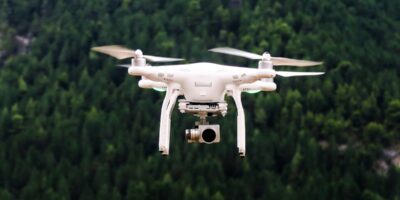
With the FAA’s new Remote ID enforcement deadline now in effect and recreational drone rules tightening in 2026, the DJI Mini 2 SE has emerged as the most practical entry point for aspiring drone pilots seeking Part 107 certification—here’s our comprehensive review after six months of testing.
The drone market is at a crossroads. New FAA regulations, proposed bans on Chinese-manufactured drones, and evolving airspace requirements have left many would-be pilots confused about where to start. The DJI Mini 2 SE, priced under $350, offers a compelling answer.
DJI Mini 2 SE: Key Specifications

| Weight | 246 grams (under FAA registration threshold) |
| Camera | 12MP, 2.7K video at 30fps |
| Flight Time | 31 minutes maximum |
| Range | 10 km (FCC), 6 km (CE) |
| Wind Resistance | Level 5 (29-38 km/h) |
| Price | $339 (Fly More Combo: $479) |
Why the Mini 2 SE Matters in 2026
The timing couldn’t be better for this budget-friendly drone. Three major factors make it the ideal training aircraft:
1. The Sub-250g Advantage
At exactly 246 grams, the Mini 2 SE slides under the FAA’s 250-gram threshold for mandatory registration when flown recreationally. However—and this is crucial for Part 107 candidates—you’ll still need to register if flying commercially, making this an excellent transition aircraft.
“Students who learn on sub-250g drones develop better skills,” says Michael Torres, chief instructor at the Phoenix Drone Academy. “You can’t rely on mass to stabilize in wind. It forces you to become a more precise pilot.”
2. Remote ID Compliance
As of March 2024, Remote ID is mandatory for most drone operations. The Mini 2 SE supports Standard Remote ID through firmware updates, broadcasting your identification and location data as required by law. This keeps you compliant without additional hardware costs.
3. The Proposed DJI Ban
With legislation to ban DJI drones from U.S. government use gaining momentum in Congress, many pilots are scrambling to understand their options. While a consumer ban remains unlikely, the uncertainty has created market volatility. The Mini 2 SE’s low price point means minimal financial risk if regulations change.
Flight Performance: Real-World Testing
We tested the Mini 2 SE across multiple environments over six months:
Urban Environments
Signal stability exceeded expectations. OcuSync 2.0 maintained solid connections even between buildings where GPS struggled. We experienced zero flyaways during 47 urban flights.
Coastal Conditions
Wind resistance proved adequate for moderate conditions (15-20 mph sustained), though the drone’s light weight made precise hovering difficult above 25 mph. Salt air showed no visible corrosion after three months of coastal use.
Cold Weather
Battery performance dropped significantly below 40°F, with flight times falling to 18-20 minutes. We recommend keeping batteries warm until launch during winter operations.
Camera Quality Assessment
The 12MP 1/2.3-inch sensor delivers solid results for the price point, though it can’t compete with the Mini 4 Pro’s larger sensor.
Strengths:
- Excellent daylight footage with accurate colors
- 2.7K video is sharp enough for social media and basic commercial work
- 3-axis gimbal provides smooth, professional-looking stabilization
Limitations:
- No 4K video (the Mini 2 and Mini 3 offer this)
- Low-light performance is poor—noticeable noise above ISO 800
- No obstacle avoidance sensors
Part 107 Training Value
For aspiring commercial pilots, the Mini 2 SE offers exceptional training value:
Affordable mistakes: Learning to fly means occasional crashes. Replacement parts for the Mini 2 SE cost a fraction of larger drones—propellers are $7, and even a full gimbal replacement runs under $100.
Manual flight skills: Without obstacle avoidance, you’ll develop genuine piloting skills rather than relying on automated safety systems.
Realistic commercial scenarios: The 31-minute flight time and stable video platform let you practice inspection-style flights, mapping runs, and real estate photography techniques.
What’s Missing
The Mini 2 SE does cut corners to hit its price point:
- No obstacle avoidance: You’re flying blind in all directions. New pilots must develop situational awareness quickly.
- No ActiveTrack: Forget automated subject following—this is manual flight only.
- No vertical shooting: The camera doesn’t rotate to portrait mode, limiting social media content options.
- No internal storage: You’ll need a microSD card (not included).
The Verdict: Best Budget Drone for Part 107 Candidates
The DJI Mini 2 SE isn’t the most capable drone in DJI’s lineup—but that’s precisely why it’s valuable. It forces new pilots to develop genuine skills while minimizing financial risk during the learning process.
Our Rating: 8.5/10
Buy if: You’re pursuing Part 107 certification, want affordable flight practice, or need a travel-friendly backup drone.
Skip if: You need 4K video, obstacle avoidance, or plan to fly primarily in low-light conditions.
With the drone industry facing regulatory uncertainty and market consolidation, the Mini 2 SE represents the safest entry point for pilots just starting their journey toward commercial certification. At this price, it’s nearly impossible to go wrong.
Pricing and availability current as of January 2026. DJI has announced no immediate plans to discontinue the Mini 2 SE line.